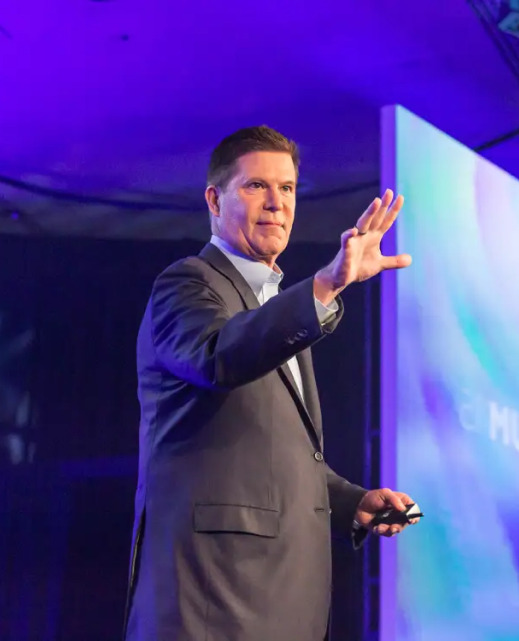


By Keith J. Krach
The United States is approaching a milestone that comes only once in a nation’s lifetime: the 250th anniversary of its founding.
President Trump pledged that this anniversary would be recognized in a way worthy of our history, our values, and our future. To help carry that vision forward at national scale, he launched Freedom 250 – a public-private partnership designed not simply to commemorate the past, but to mobilize the country for what comes next.
For Americans, this is a moment to reflect. For the world, it is a moment to take notice.
How the United States marks this milestone says something important about how we see our role in the world and about our enduring commitment to freedom.
At its core, the 250th anniversary is about the birth of an idea. An idea that had never fully existed before in human history: that rights do not originate with government, but are inherent; that power flows from the people; that liberty belongs not to the few, but to all.
For 250 years, Americans have argued passionately about policy. We have debated, disagreed, struggled, corrected course, and recommitted ourselves to our founding principles. Yet generation after generation, we have returned to that single, radical idea: freedom. Freedom to worship, to speak, to build, to create, to dissent, and to dream.
History teaches us something equally important: freedom is never automatic. Benjamin Franklin warned that our republic would endure only “if you can keep it.” President Reagan reminded us that “freedom is never more than one generation away from extinction.” It must be protected, strengthened, and handed forward.
Freedom requires participation. It requires trust. It requires responsibility. It requires the civic discipline to govern ourselves before we seek to govern others.
Across my career building companies in Silicon Valley, working in capital markets, spending time on factory floors, and serving in government, I have seen something practical and enduring: freedom works. Where freedom exists, innovation follows. Where innovation flourishes, prosperity grows. Where prosperity expands, stability becomes possible.
This has been the American formula for 250 years. The Industrial Revolution. The rise of free enterprise. The expansion of civil rights. The digital age. Each chapter was powered by individuals trusted to experiment, compete, and contribute. The tools changed. The spirit did not.
Today, artificial intelligence, advanced manufacturing, digital platforms, and emerging technologies are reshaping the global landscape at extraordinary speed. In free societies, these tools can expand opportunity and unlock human potential. In authoritarian regimes, they can be used to surveil, censor, manipulate, and consolidate power.
This is not about technology. It is about trust – the democratic values we protect to preserve freedom and the very principles authoritarian regimes try to weaponize against us.
Democracies compete by out-innovating authoritarian systems. But innovation must advance freedom – not undermine it. It must be trusted to strengthen transparency, accountability, and human dignity. Reagan’s vision of a “shining city upon a hill” was not a boast. It was a responsibility – to demonstrate that liberty produces strength, resilience, and hope.